


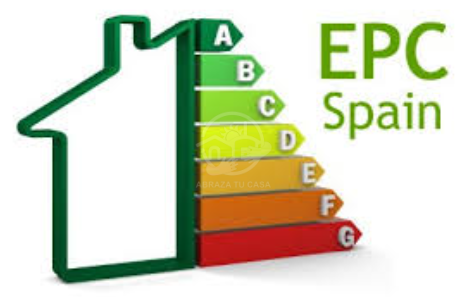
From 2030, it will be prohibited in Spain to sell or rent out a home if it does not have at least an energy label E. This is part of new European regulations aimed at reducing energy consumption and CO₂ emissions. Older homes are particularly affected by this: it is estimated that around 80 percent of all houses in Spain do not meet this standard.
Spain has a large proportion of outdated homes. The average age of a house is 43 years, often lacking proper insulation, double glazing, or efficient heating systems. Many of these houses currently have energy labels F or G, which means they require structural improvements, such as better insulation, new windows, modern heating or cooling systems, and sometimes even the removal of moisture and asbestos.
The government aims to make at least 1.2 million homes more energy-efficient before 2030. So far, that pace is far too slow: between 2013 and 2023, just over 100,000 homes were renovated. To meet the targets, renovation projects will need to accelerate significantly in the coming years. The new policy does not stop in 2030. Three years later, in 2033, the standard will be tightened again: by then, every home must have at least energy label D to be allowed to be sold or rented out. With this, the EU aims to gradually make the housing stock more sustainable and contribute to climate goals.
For homeowners, this means that major investments are often unavoidable. Think of improving the insulation of walls and roofs, installing energy-efficient windows, switching to heat pumps or other sustainable heating systems, and installing LED lighting and solar panels.
The rules are intended to lead to lower energy costs for residents, less dependence on fossil fuels, and a better quality of life. But for millions of Spanish households, it will be a race against time to meet the requirements before 2030.
Source: Spanje vandaag